Agricultural & Soft Commodity Hedging
Plan the Farming Year Around Prices You Know
Milk, grain, feed and fuel prices can all move in the same season. Attara helps UK farms fix the costs and selling prices that matter most, so budgets and cash flow rest on firmer numbers.
THE PROBLEM
Your Costs and Your Selling Price Can Move at the Same Time
Most businesses worry about one price. Farms often carry several. Input costs can climb while the price you get for milk or grain falls, and the squeeze arrives before there is anything you can do about it.

Input costs
Feed, fuel and fertiliser can move sharply between one season’s budget and the next.

Selling prices
Milk and grain prices can drop after you have already paid to produce them.

Cash flow timing
Costs land when they land. A bad month for prices leaves less cash for decisions that won’t wait.
What a 2p Drop in the Milk Price Means
A dairy farm selling 1.5 million litres of milk a year loses £30,000 of income if its milk price falls by 2p a litre. The herd, the feed bill and the work all stay the same.
Illustrative example only.
A Plan That Sits Alongside How You Already Farm
Hedging fixes a price on part of what you buy or sell for a set period. It runs alongside your existing merchants, buyers and suppliers without changing those relationships. The aim is simple. Take the uncertainty out of a known volume so you can budget and plan with confidence.
Step 1
Map your exposure
Step 1
Work out which inputs and sales move your margin most, and when those costs and payments land in the farming year.

Step 2
Test the numbers
Step 2
See what a 10 or 20 percent move in your key prices would do to profit at your current volumes.

Step 3
Build a plan that fits
Step 3
Decide how much to protect and for how long, based on your volumes, your seasons and how much certainty you need. Arthur Crittall and the agriculture desk put it in place and keep you updated as markets move.

We act for you in the market and never take the other side of your trade.
Built for businesses that run on land
MARKETS WE WORK IN

Milk
Butter
Cream
Sugar
Feed wheat
Milling wheat
Maize
Oilseed rape
Red diesel
White diesel
Heating oil
Fertiliser and blended products.
WHO WE WORK WITH

Dairy farms

Arable farms

Mixed farms

Agricultural contractors
TESTIMONIALS
WHAT OUR CLIENTS AND PARTNERS SAY
150+
Customers Served
12+
Years Experience

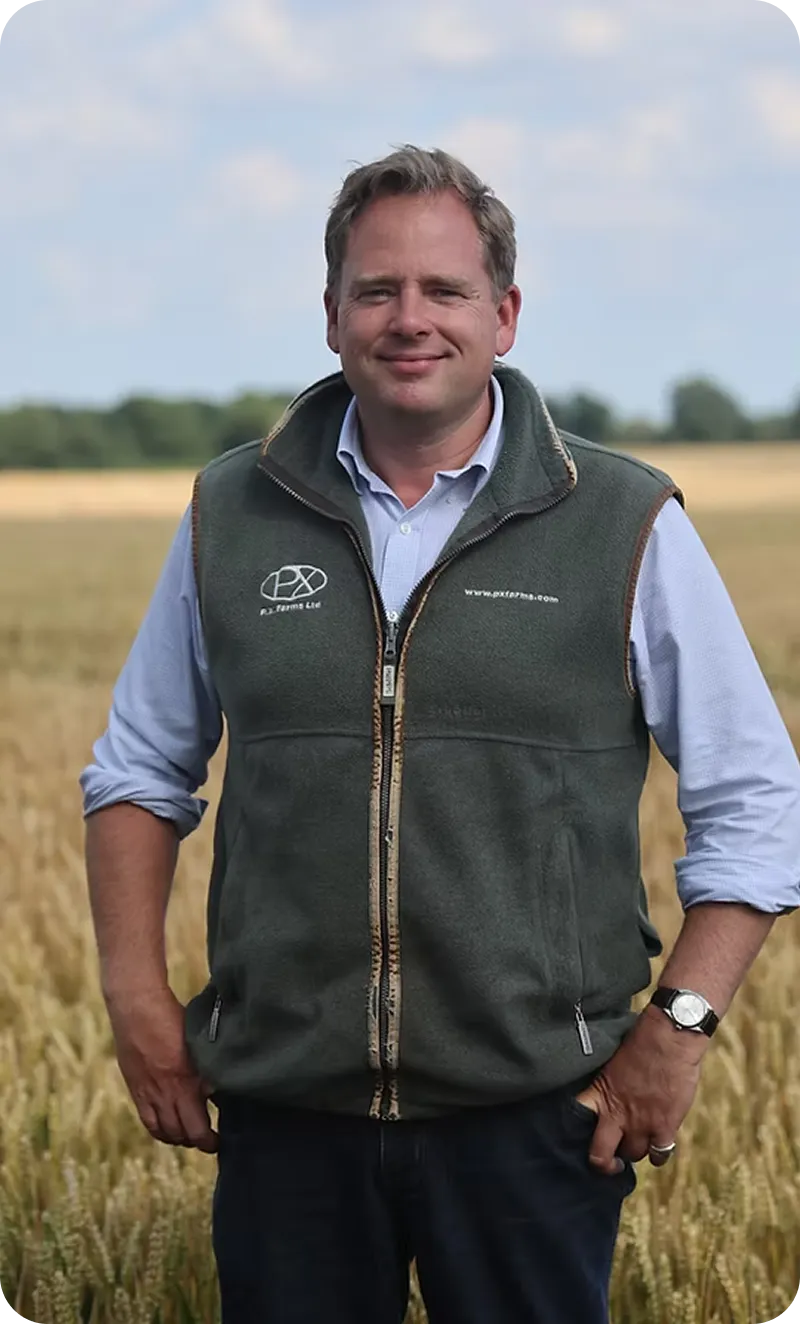
“As a farming business, we use Attara to give us the facility to hedge our fuel and grain options, so we can take peaks and level out the lows.”
James PECK
Managing Director, PX FARMS
James PECK
Managing Director, PX FARMS

“Strutt & Parker (Farms) has benefited from the hedging services provided by Attara. These simple financial products enable us to achieve improved financial visibility and cost certainty in commodities that are otherwise volatile and uncertain.”
Charles Buckley
Managing Director, Strutt & Parker
Charles Buckley
Managing Director, Strutt & Parker
150+
Customers Served
12+
Years Experience